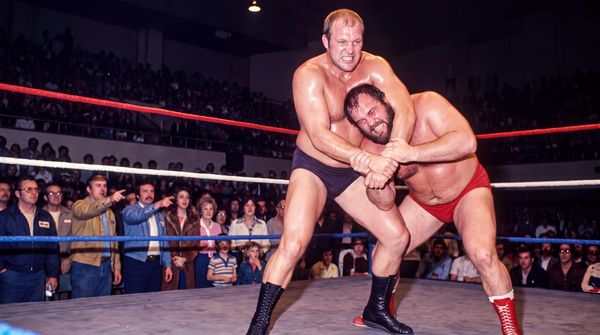
Wendell Briggs
Wendell Briggs wrestled the Rocky Mountain and Rio Grande Valley circuits for nineteen years and set up the ring for the cards he opened. In 1976 Bo Bradley picked him for the Frontier Justice League.

New wrestler profiles and territory histories. Free, about once a month.
The Great Western Wrestling Alliance (GWA) was a professional wrestling promotion that ran across the American West from 1957 to 1993. It divided the region into territories, each with its own hub city, and moved wrestlers and champions between them over four eras. This site is the GWA Worldbook, with profiles of its wrestlers and a record of its events.
Wendell Briggs wrestled the Rocky Mountain and Rio Grande Valley circuits for nineteen years and set up the ring for the cards he opened. In 1976 Bo Bradley picked him for the Frontier Justice League.

Punk women's wrestler Trash Candy came out of Tacoma in combat boots, fishnets and a torn cheerleader's uniform, swinging a kendo stick. One of the first women in the GWA to fight hardcore, she knocked out Vivian Vanceworth's tooth and never stopped fighting Hannah Hope.
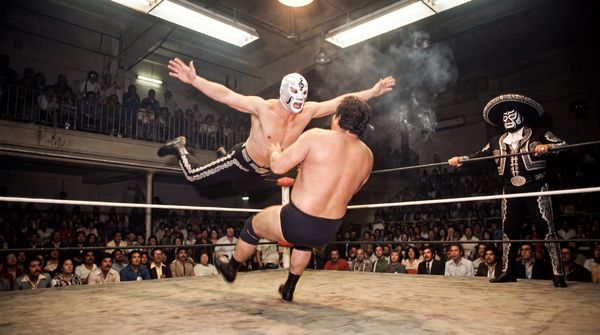
El Violín was the masked high-flyer of The Midnight Maracas, the mariachi luchador tag team he formed with El Guitarrón. He worked the GWA from 1968 to 1989.
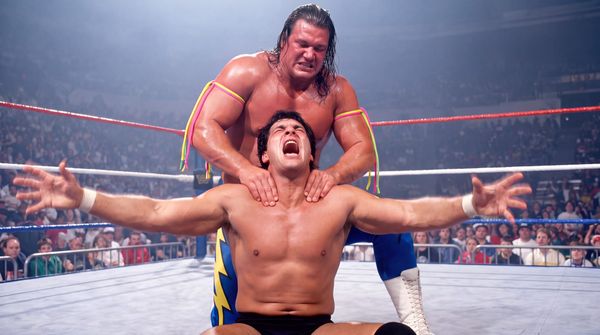
Bodybuilder Vinnie Voltage bellowed promos into the hard camera and won the Columbia tag titles twice beside Felix Frenzy. Then Sterling Radcliffe handed him a check, and in a shocking turn he clamped his nerve hold on his own partner.
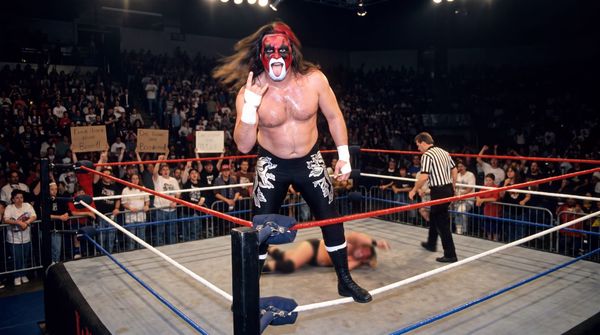
Scott Darkness came to the GWA in 1988 in face paint and taped fists, talking about heavy metal. Crowds laughed at him until he walked out behind The Phantom on Night Trials.
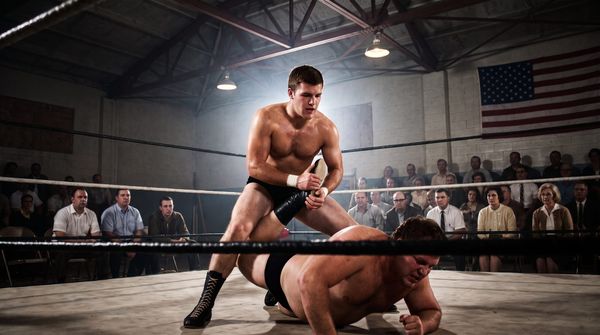
Tom Dillon came into the Frontier Justice League at twenty-one, the year the group expelled Tommy Tucker, and stayed until it broke up in 1982. He worked the Frontier loop for sixteen years and never held a championship.
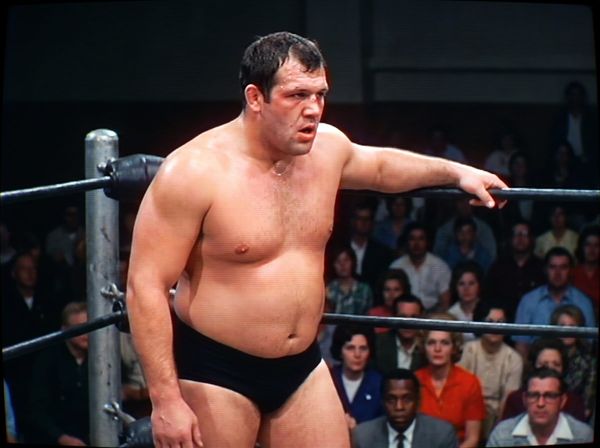
Out of Hamilton by way of the Maritimes, Chris Coleman took the Canadian Championship three times before he was twenty-six. Then he spent nine years as the Frontier Justice League’s enforcer, the man they sent when something needed stopping.
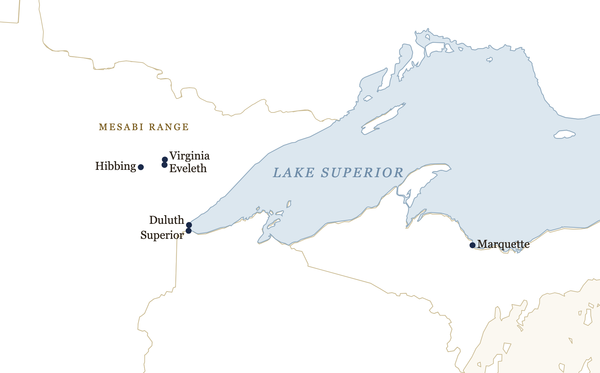
A walkthrough of the whole method on one invented territory: the ground, the work, the house style, the company, and the belt.
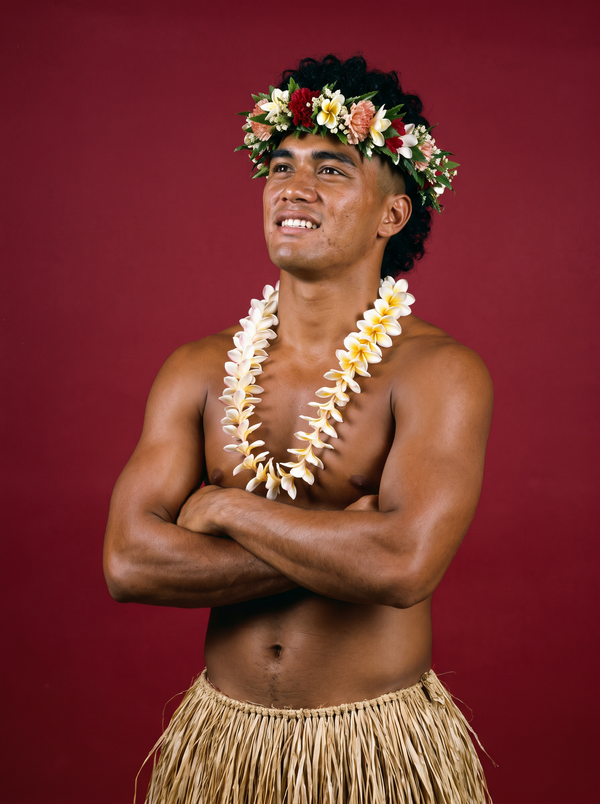
The Pacific Coast's island prince of the Traditions years: barefoot kenpo speed, a crown of flowers, and an Intercontinental Championship won at home in Honolulu.
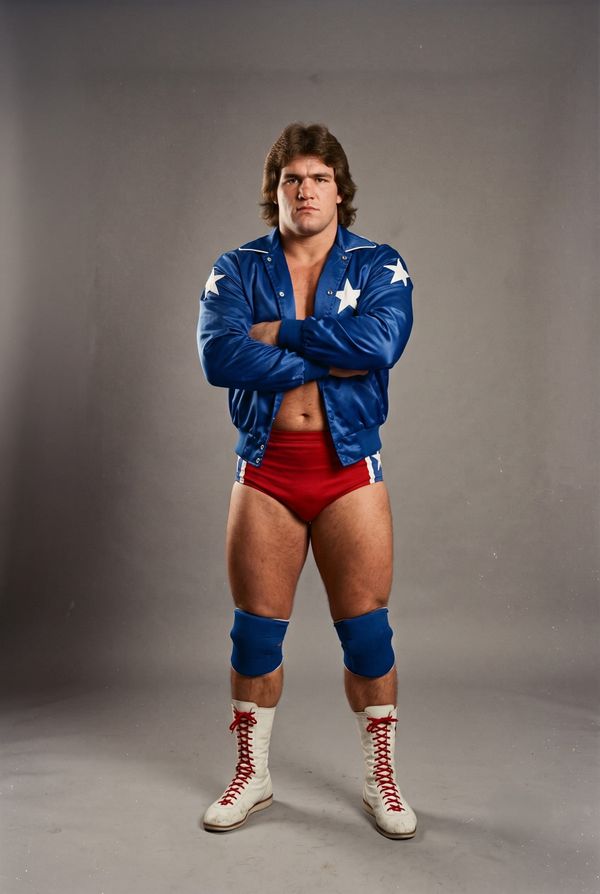
A Houston high flyer in red, white, and blue, Rocket Roger Rush was a three-time Gulf Coast Champion and the 1988 Western Traditions Champion across eighteen years in the GWA.
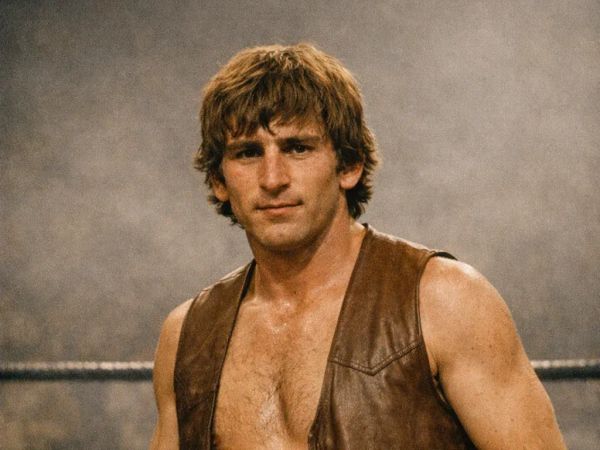
A 21-year GWA veteran who never held a title, Billy "The Kid" Carson was the ultimate utility player — tagging in Imminent Domain, carrying bags for two different heel stables, and pulling double duty as Brother Bones in the ill-fated Ministry of Night before finishing out on the Frontier circuit.
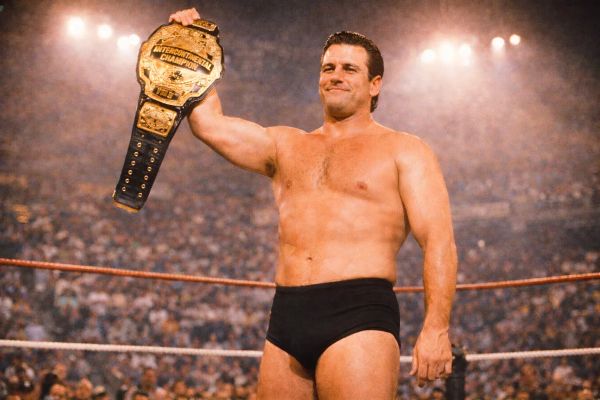
The GWA's final Intercontinental Champion who made ambiguity an art form—a 1950s technical wrestler in a corporate motivational speaker's body, speaking in sales platitudes that simultaneously mocked and embraced wrestling's carnival roots while holding the belt for a record 669 days.