Build one wrestling territory from scratch
A walkthrough of the whole method on one invented territory: the ground, the work, the house style, the company, and the belt.

The method piece gives five steps for building a promotion that never existed. This runs all five on one territory, at length, so the reasoning stays visible.
Nothing below belongs to the Great Western Wrestling Alliance. It is a demonstration, built the way GWA promoters built their own regions. Take it apart and put your own in its place.
Start with the ground
Open a map and pick a region you could describe to someone who has never been there. Think in towns that trade with each other and send their sons to the same employer. State lines will cut across it.
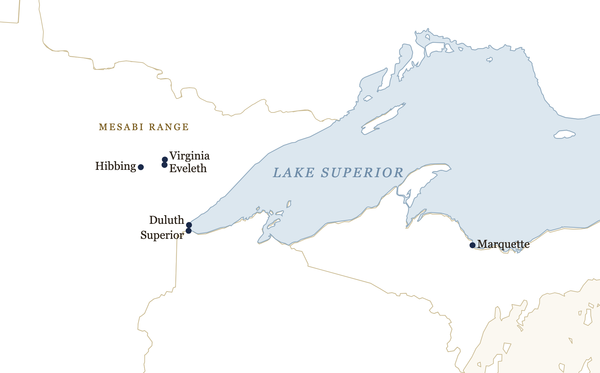
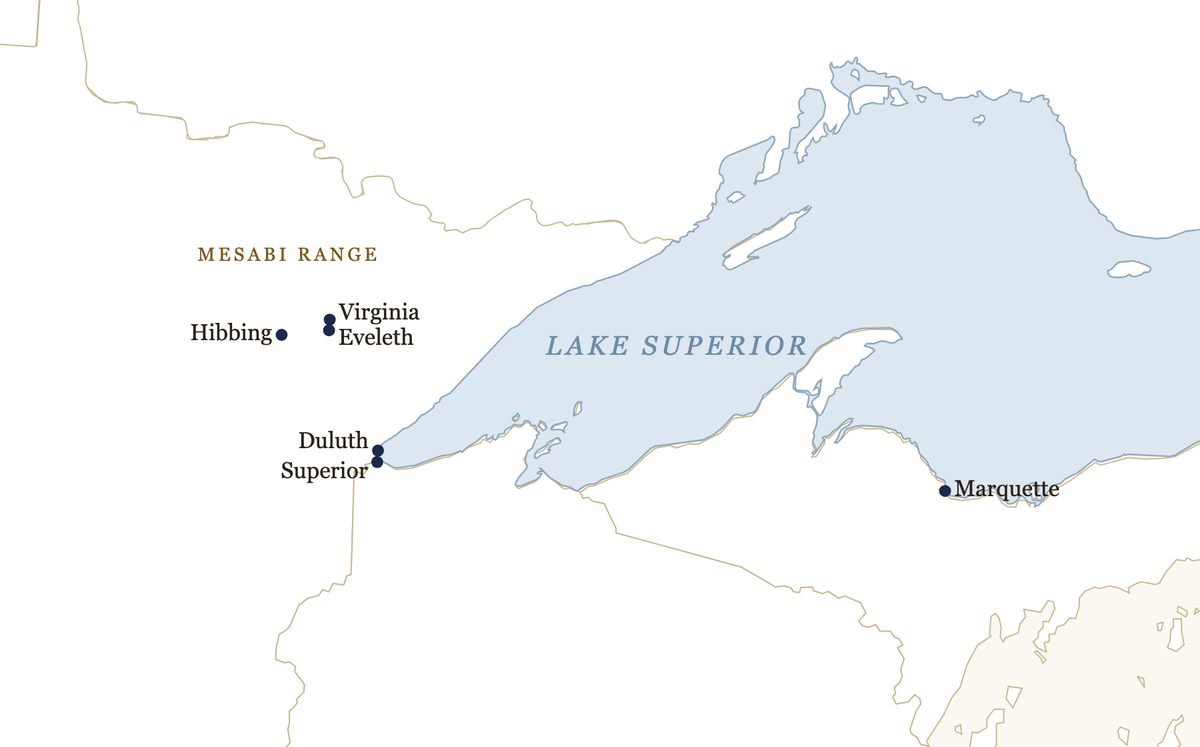
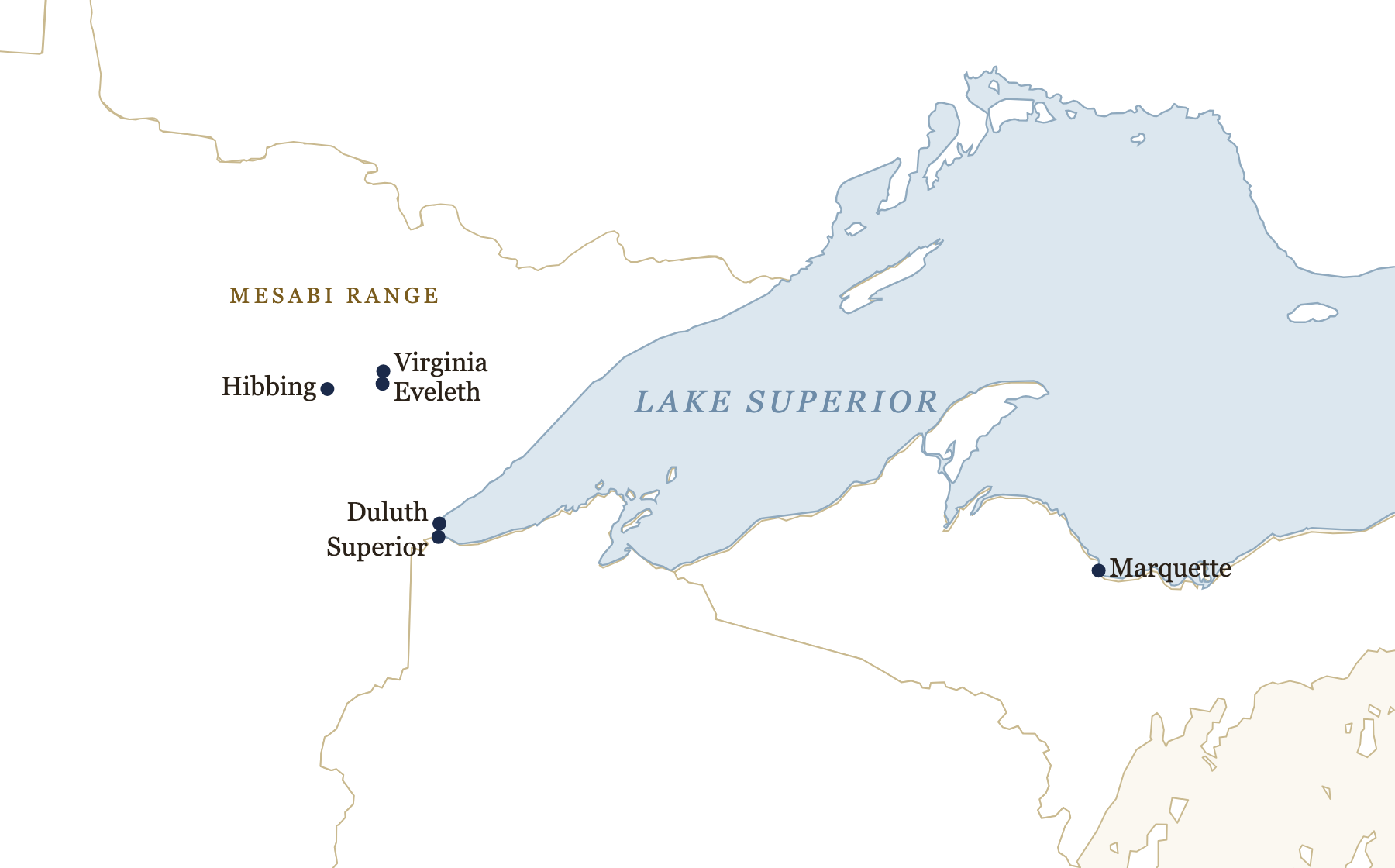
For this one, the western end of Lake Superior. Duluth sits on the Minnesota shore, Superior across the bay in Wisconsin, and the ore towns run inland along the Mesabi Range: Hibbing, Virginia, Eveleth. Add Marquette on the Michigan shore and a promoter can drive the whole loop in a week.
Ask what the crowd does for a living
This is the question the rest of the promotion answers, so answer it with something specific.
Miners work the Range for iron ore. Crews load it at the docks in Duluth and Superior, and lake freighters carry it down to the steel mills. The mines and the docks run around the clock, and the men in the seats come off those shifts.
| Town | The work | What it gives the promotion |
|---|---|---|
| Duluth | Ore docks and rail yards | The big room, and the date the promoter builds around |
| Superior | Ore docks across the bay | A second gate on the same trip, and a cross-bay rivalry |
| Hibbing | The open pit | Range money, and a full hall on a payday weekend |
| Virginia | Mine and mill | The midweek stop between the pit towns |
| Eveleth | Mine | A small hall for building somebody up |
| Marquette | Ore dock on the Michigan shore | The far end of the loop, and a reason to run a long drive |
GWA promoters built their regions from the same question. In Portland they worked a technical, logging-camp style for Columbia. The Gulf Coast office built dock brawling around Houston. Sierra Nevada's people built for casino showrooms, where the crowd watches performers for a living.
Let the work set the style
An audience of men who move heavy things for a living knows what strain looks like, and will not pay to watch someone pretend.
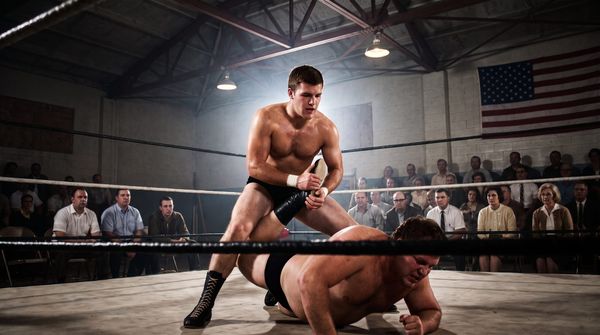
So this territory wrestles heavy and long, on bearhugs and backbreakers and holds that stay on past comfort. A match finishes when one man has nothing left and the crowd has watched him spend it. A high-flying showcase would empty the building inside a month.
Write the house style as one sentence you could hand a wrestler getting off a train. This one: heavy, grinding matches that end when a man runs out.
Name it like a business
Territory promotions were companies with letterhead, and their owners named them like companies. A region, a category word, and a legal suffix if it wants one.
Lake Superior Athletic Club. The GWA's own regions carry names built the same way: High Country Promotions, Gulf States Athletics Club, Bellamy Sports Enterprises, Silver Spur Sports Entertainment. Any of them could appear on a lease.
Let the calendar answer to the region
Ice closes the shipping lanes in January and holds them shut until spring. The docks go quiet, and the men who work them have their evenings free in the coldest weeks of the year. So the promotion runs its biggest cards in February, in armories and union halls. In summer the docks take those men back, and the loop thins to spot shows in the smaller towns.
A promoter reading that map arrives at that calendar. No other territory would run it.
Hang one belt on it
One title to start. The Lake Superior Heavyweight Championship, and nothing else for the first stretch.
Decide three things and the lineage has a shape: who held it first, which reign ran longest, and which change still starts arguments. A title is a list of names and dates, and that list is the cheapest continuity available. A feud invented two years later can point at it.
Now the characters
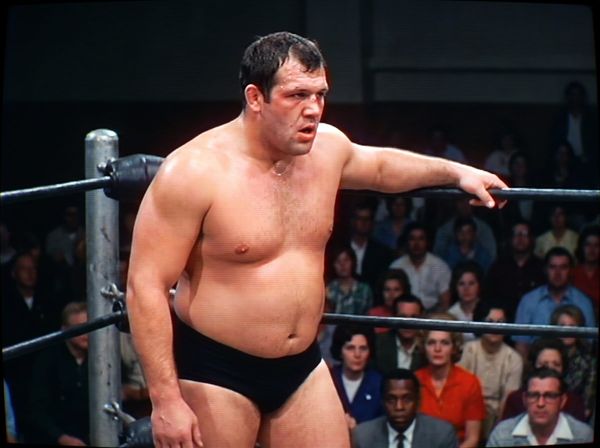
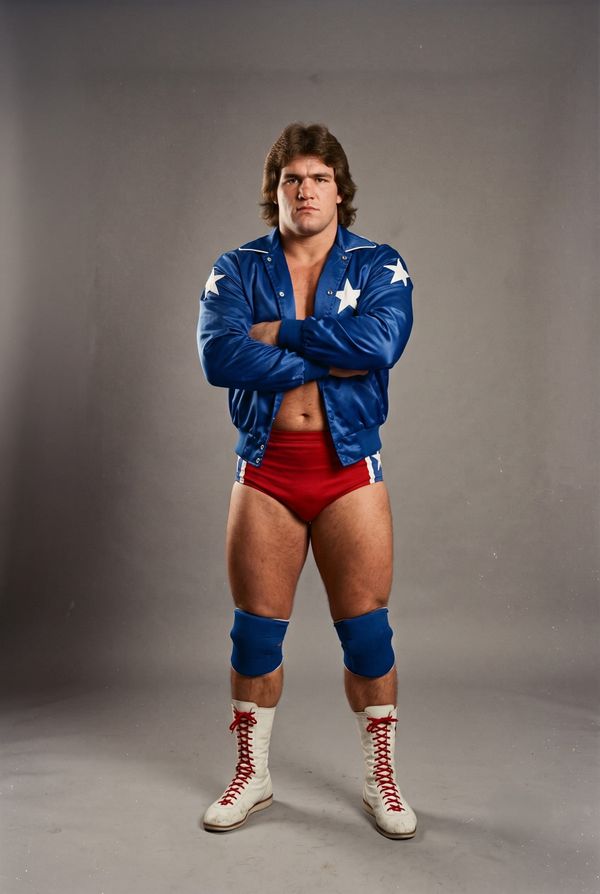
By this point you can name them. A man billed from Hibbing who works the same grind the crowd works, and who they came to see win. Someone from outside who treats the Range as a stop on the way to somewhere better, and who they pay to see lose. Both came out of the third step.
Work the steps in that order and the roster arrives last.