Frontier Era (1957-1968)
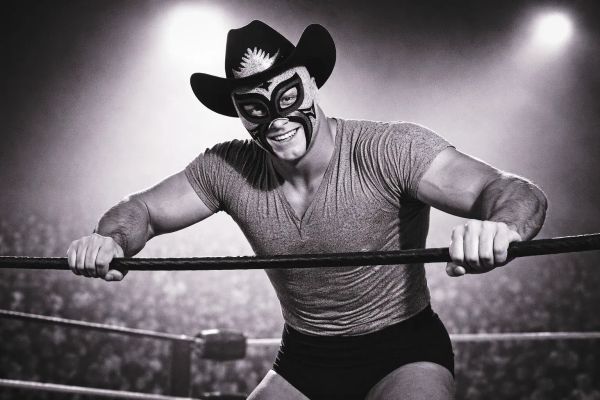
El Desperado Enmascarado
West Texas roughneck who wore a lucha mask and spoke broken Spanish on the Rio Grande Valley circuit from 1963 to 1975. Two-time Rio Grande Valley Champion and the first masked GWA Radio Champion.

Bilingual lucha-tex brawling based in San Antonio, TX. Long arcs built around respect, revenge, and border loyalty. Babyfaces embody community pride; heels represent exploitation or corruption.
Frontier Era (1957-1968)
West Texas roughneck who wore a lucha mask and spoke broken Spanish on the Rio Grande Valley circuit from 1963 to 1975. Two-time Rio Grande Valley Champion and the first masked GWA Radio Champion.
Frontier Era (1957-1968)
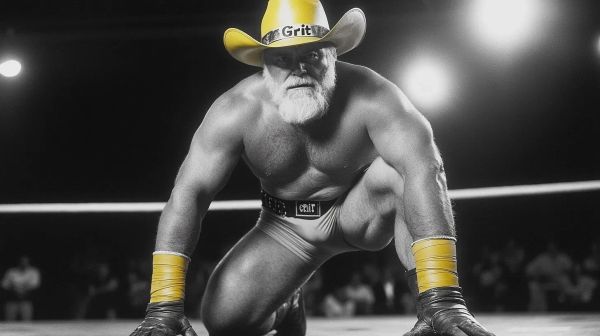
A force of nature in wrestling boots, "Grit" Garrett Carter embodies the Dust Bowl's fury. This barrel-chested brawler from Boise City doesn't compete—he survives, bringing storm-like intensity to every match with wild strikes and untamed rage that echoes America's forgotten struggles.
Profiles
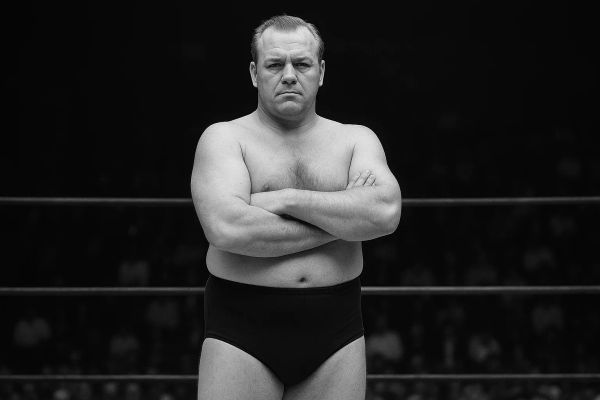
A Swedish logger who came out of the Washington timber camps to wrestle the Rio Grande Valley and Columbia circuits. Erik Thorgeson held three championships between 1960 and 1966, and in May 1962 he carried a Texas title north for the first time in its history.
Profiles
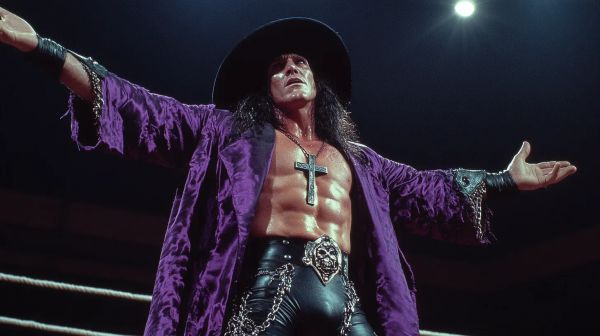
The bell tolls as purple light floods the arena. From the shadows emerges Deacon Dark—a gaunt figure with piercing eyes and unnerving stillness. Not merely a wrestler but a prophet of pain, he transformed GWA's Golden Era into something truly haunting.
Profiles
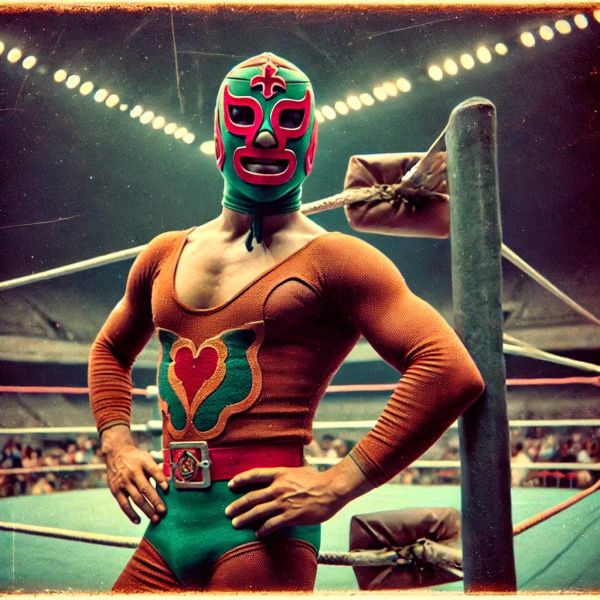
In a sport where legends cast long shadows, "El Águila" Pedro Ramirez soared on wings of his own making. The high-flying heir to Mexican wrestling royalty proved that honor and humor could coexist in the squared circle, writing his own chapter in the GWA's rich history.
Profiles
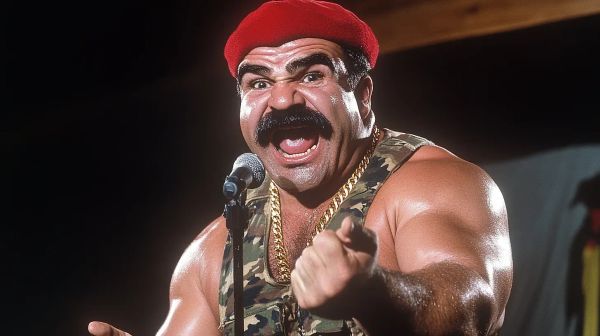
He wasn't born a commandante—he was forged in revolution. From the streets of Nicaragua to the squared circle, Victor Ortiz carried more than a red beret and military swagger; he brought a war against the system itself. In the GWA, his fights weren't matches—they were tribunals of justice.
Profiles
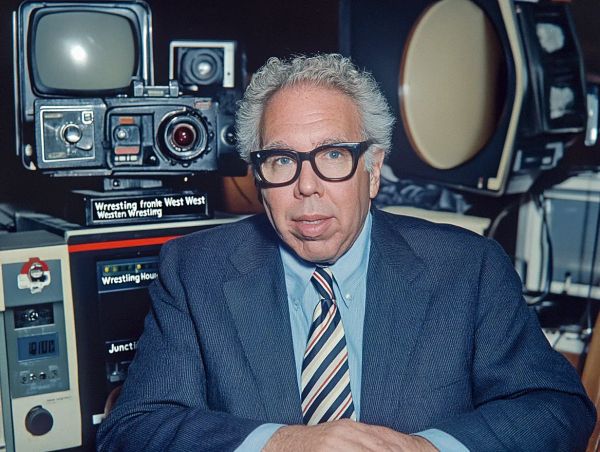
Where Homer had his Iliad, GWA had Franklin J. Lewis—a silver-tongued scholar who transformed wrestling matches into epic sagas, his voice turning clotheslines into classical literature.
Profiles
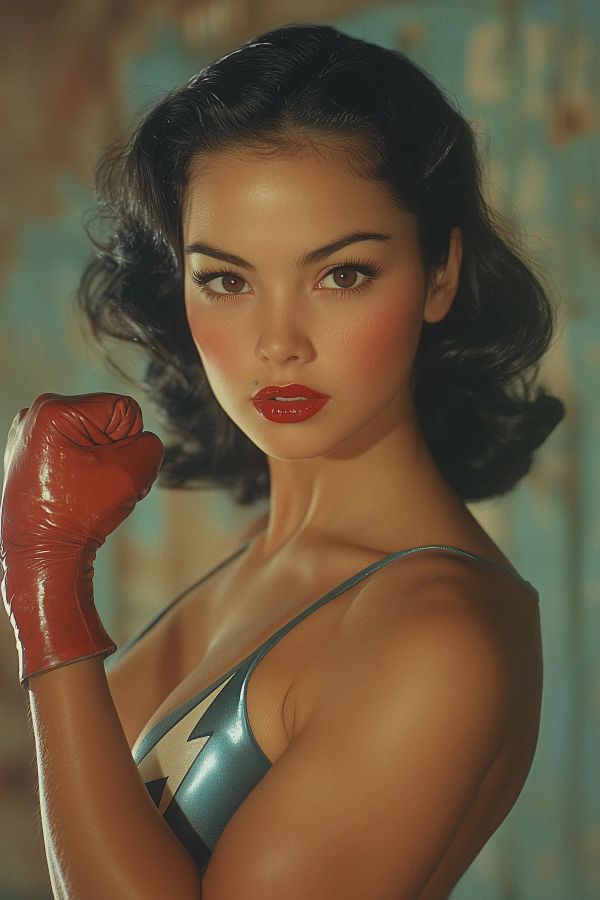
In a time when television wrestling blurred reality, Lady Lightning struck with uncompromising authenticity. The Mexican-American dancer-turned-wrestler electrified audiences with technical grace, breaking cultural barriers while never losing touch with her San Antonio roots.
Profiles
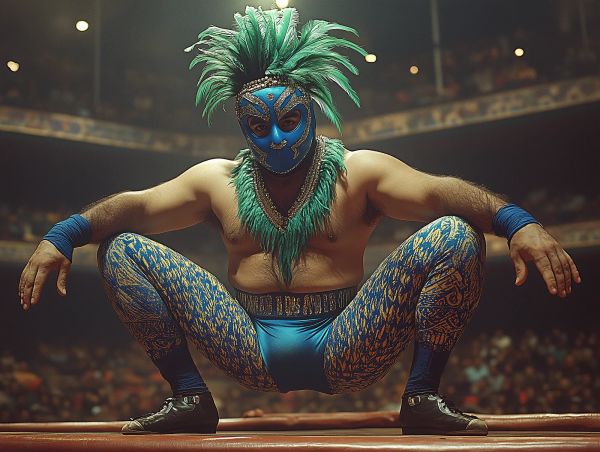
In the chaotic GWA, Rico Vega was a beacon of calm. The "Heart of the Voladores" infused ancient Mexican tradition into every match, transforming the ring into sacred ground. With each precise move, Vega honored his ancestors and redefined aerial artistry.
Profiles
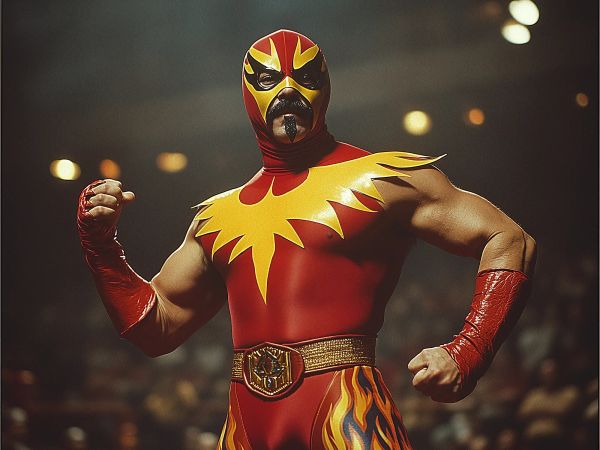
As the arena lights dimmed, a figure in flames appeared atop the turnbuckle. But it wasn't fire—it was Carlos Mendoza, El Halcón Ardiente, his vibrant attire a stark contrast to the darkness. With a wink and a smirk, he leapt, defying gravity and igniting the crowd's fervor.
Profiles
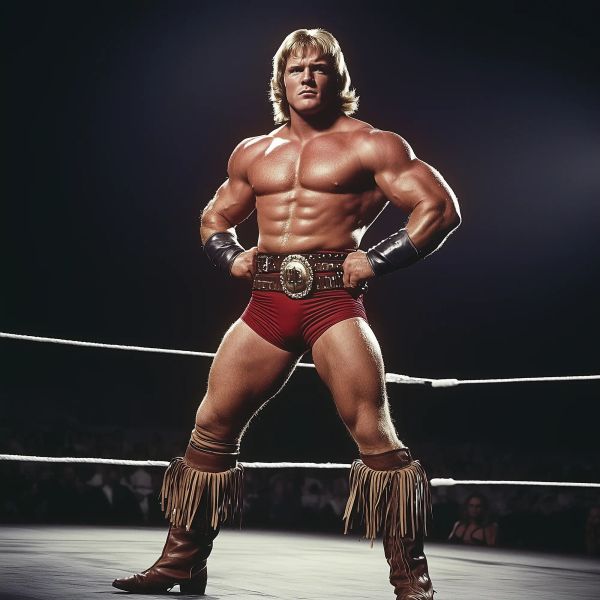
In the wild world of GWA, Sam Frontier stood tall—a stoic cowboy with a mind as sharp as his wrestling moves. This Wyoming-bred strategist proved that in the ring, brains could triumph over brawn, making him a legend of the squared circle.
Profiles
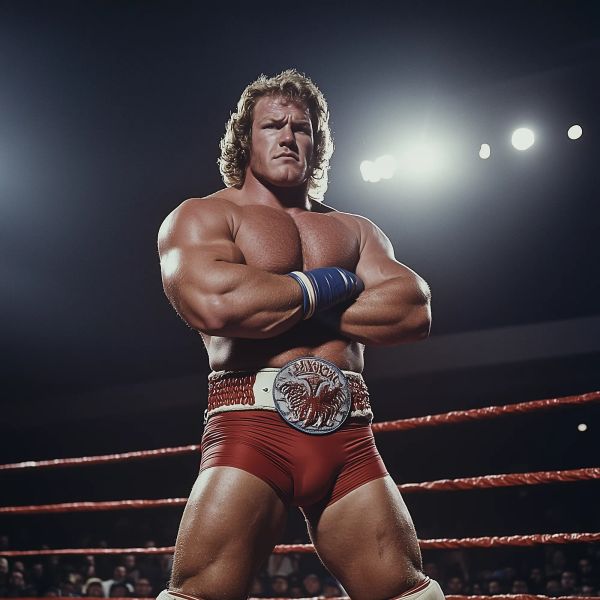
Untamed as the Wyoming wilderness, Joe Frontier stormed the GWA with the fury of a stampede. This rodeo-star-turned-wrestler brought the raw spirit of the American West to the ring, leaving opponents and fans alike in awe of his wild intensity and indomitable will.