Frontier Era (1957-1968)
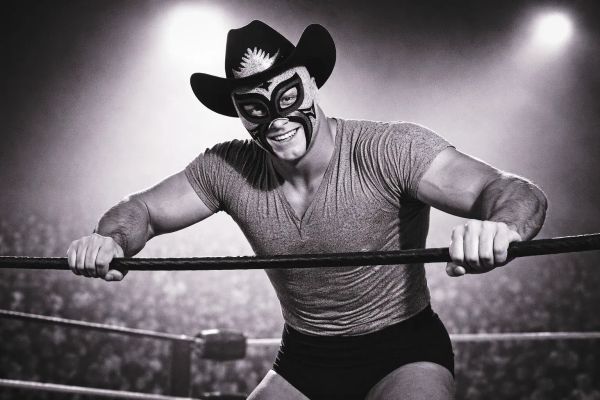
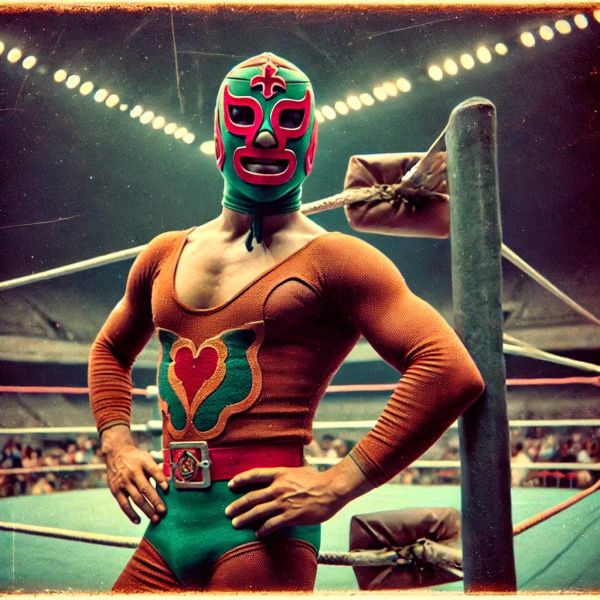
El Desperado Enmascarado
West Texas roughneck who wore a lucha mask and spoke broken Spanish on the Rio Grande Valley circuit from 1963 to 1975. Two-time Rio Grande Valley Champion and the first masked GWA Radio Champion.
Grit. Determination. Glory. (October 4, 1957 – December 31, 1968) The foundational years establishing GWA's legitimacy through territorial competition and cowboy morality. Core value: Legitimacy.
Frontier Era (1957-1968)
West Texas roughneck who wore a lucha mask and spoke broken Spanish on the Rio Grande Valley circuit from 1963 to 1975. Two-time Rio Grande Valley Champion and the first masked GWA Radio Champion.
Frontier Era (1957-1968)
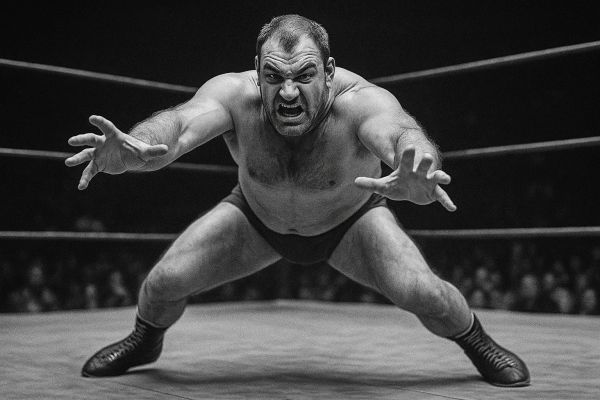
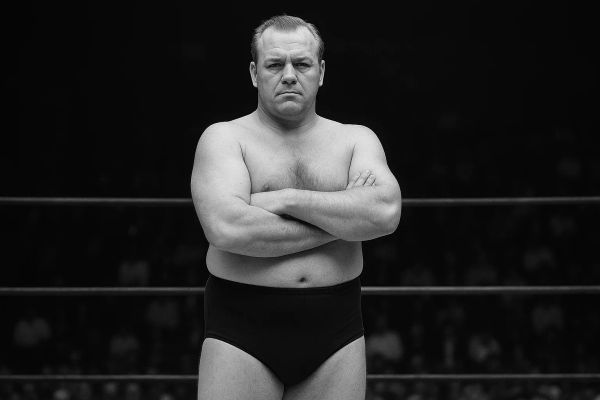
A longshoreman who brought honest grit to the squared circle, "Big Pete" Kosinski wasn't just another worker—he was the philosophical foundation that helped build the GWA's identity. His brief championship reign proved you didn't need flash to leave a lasting impression.
Frontier Era (1957-1968)
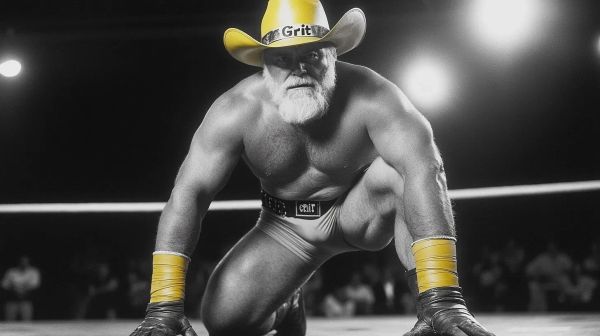
A force of nature in wrestling boots, "Grit" Garrett Carter embodies the Dust Bowl's fury. This barrel-chested brawler from Boise City doesn't compete—he survives, bringing storm-like intensity to every match with wild strikes and untamed rage that echoes America's forgotten struggles.
Frontier Era (1957-1968)
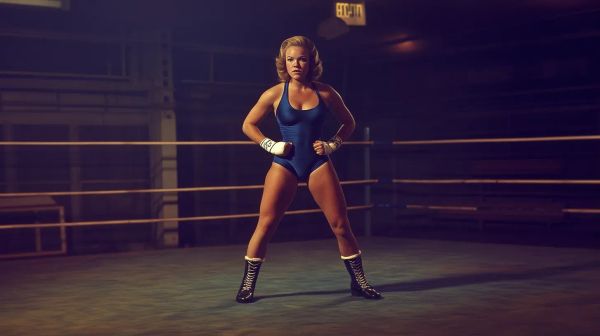
From the sun-scorched beaches of Ventura County emerged a technician who redefined women's wrestling without a single catchphrase. Cassie Cross proved that in the squared circle, words mean nothing when your armbars speak volumes.
Profiles
A Swedish logger who came out of the Washington timber camps to wrestle the Rio Grande Valley and Columbia circuits. Erik Thorgeson held three championships between 1960 and 1966, and in May 1962 he carried a Texas title north for the first time in its history.
Profiles
In a sport where legends cast long shadows, "El Águila" Pedro Ramirez soared on wings of his own making. The high-flying heir to Mexican wrestling royalty proved that honor and humor could coexist in the squared circle, writing his own chapter in the GWA's rich history.
Profiles
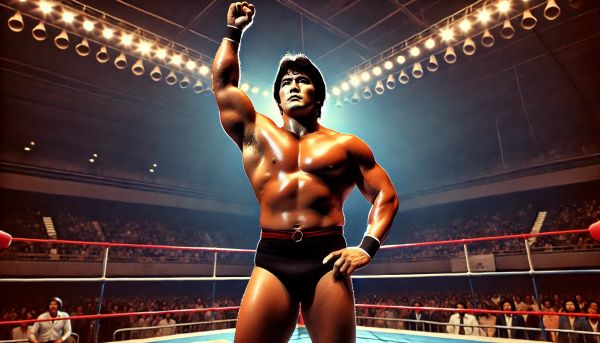
Like thunder in a cloudless sky, Raiken arrived in GWA without warning. The stoic master of strong style brought honor to chaos, precision to power, and introduced Western audiences to a warrior's path where respect was earned through every strike and submission.
Profiles
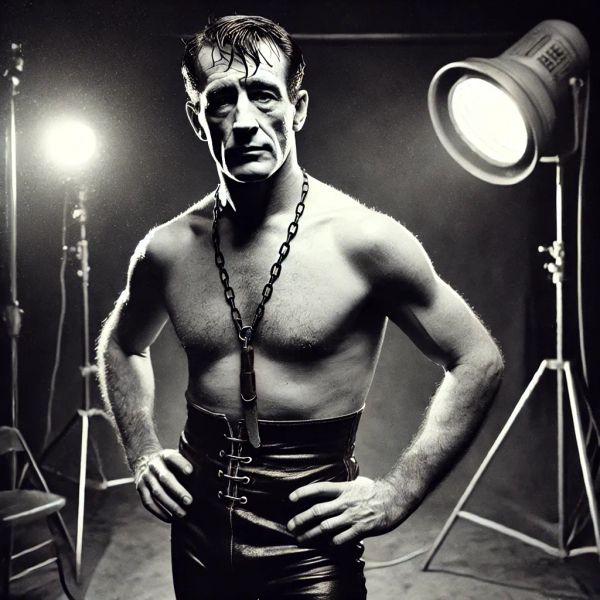
The first time Jeffrey Donner appeared on GWA television, he carried a gold-plated compass and the weight of America's darkest winter. By the time he left, he'd proven that some men don't just survive history—they feed on it.
Profiles
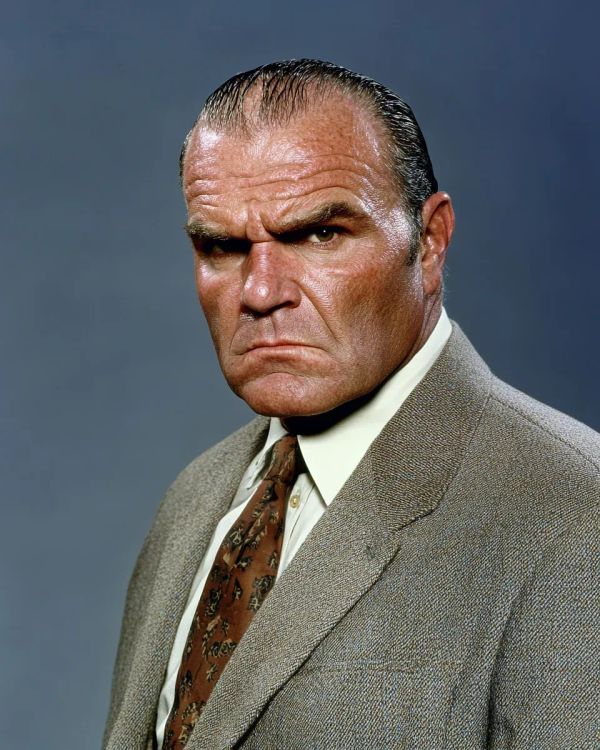
Before modern wrestling found its polish, Dusty McGraw's voice echoed through frontier arenas, turning smoky fairground battles into epic sagas. His worn leather notebook held more than match notes—it chronicled the soul of territorial wrestling, one honest call at a time.
Profiles
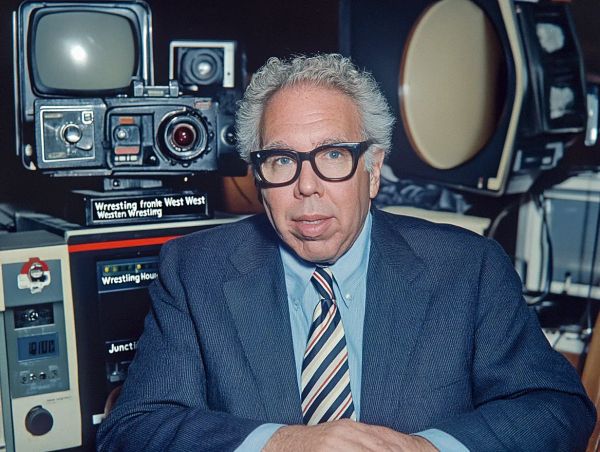
Where Homer had his Iliad, GWA had Franklin J. Lewis—a silver-tongued scholar who transformed wrestling matches into epic sagas, his voice turning clotheslines into classical literature.
Profiles
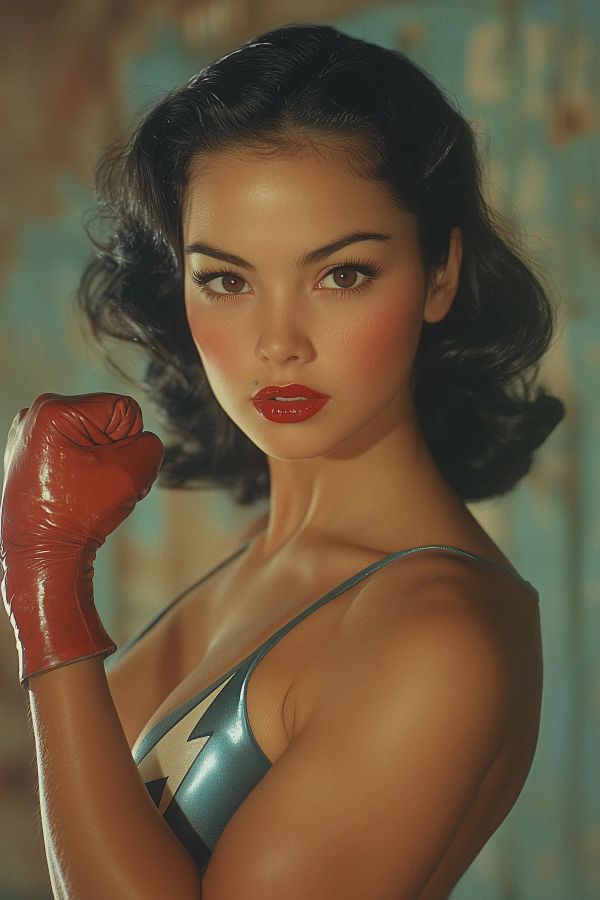
In a time when television wrestling blurred reality, Lady Lightning struck with uncompromising authenticity. The Mexican-American dancer-turned-wrestler electrified audiences with technical grace, breaking cultural barriers while never losing touch with her San Antonio roots.
Profiles
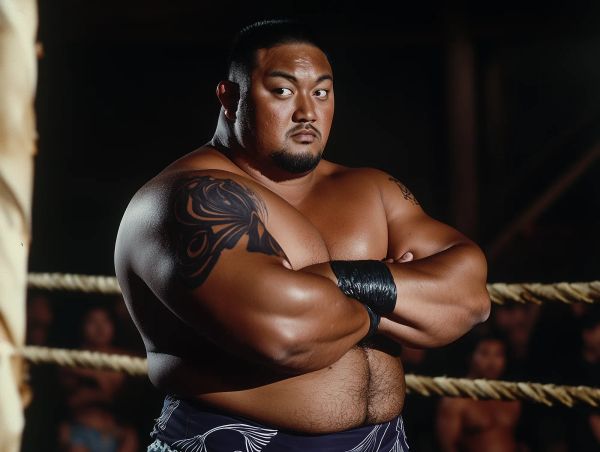
From the Pacific came Tsunami Sam—350 pounds of sumo power and Samoan fury wrapped in cold disdain. In GWA's Frontier Era, this towering force of nature crushed opponents and traditions alike, turning his heritage into a weapon that Western wrestling never saw coming.